Why UK Based Vehicle Protection Matters More Than Ever on UK Roads
The Growing Threat of Number Plate Cloning
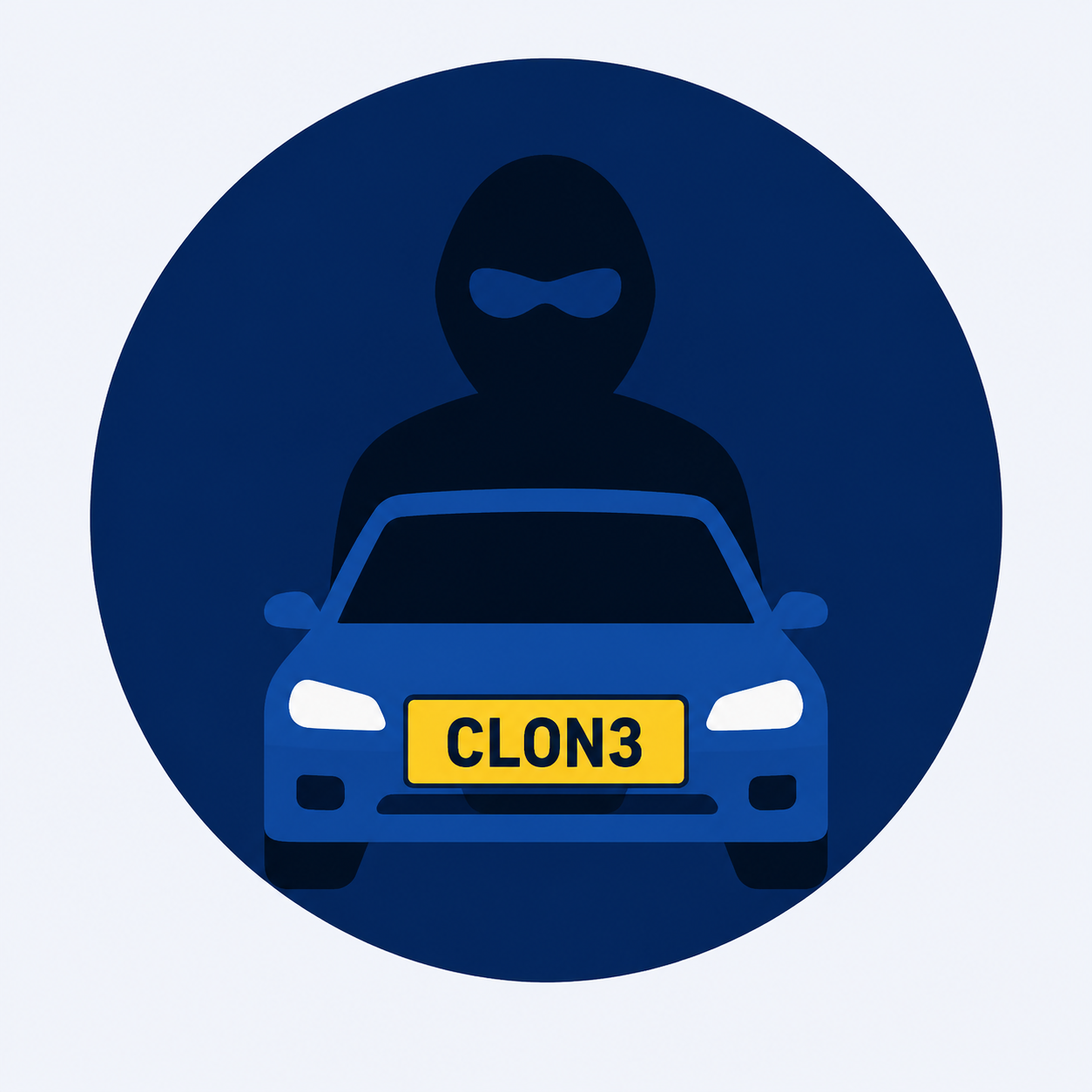
I have spent years working with vehicle registration data, and I can tell you honestly: number plate cloning is not a rare problem. It happens every day on UK roads, and it often goes unnoticed until the wrong letter arrives. A cloned plate can be attached to a nearly identical car, and suddenly you are receiving penalty charge notices for someone else's speeding, or worse, being linked to a crime you did not commit. The DVLA and police are aware of this, but the scale is larger than most drivers realise. This is why understanding uk based vehicle protection is no longer optional for anyone who owns a car or runs a fleet.
When I first encountered a case of identity fraud through vehicle registration, the victim had spent months proving they were not responsible for fines accrued in Birmingham while their own car sat in a Manchester driveway. The experience was stressful, and it took intervention from the police and checks against the National Fraud Database to finally clear their name. That case taught me that prevention beats cure every time. And that is where the concept of uk based vehicle protection becomes practical rather than theoretical.
How Vehicle Registration Fraud Actually Works
Fraudsters obtain your vehicle registration details in various ways. They might photograph your plate in a car park, buy data from a compromised source, or simply copy a plate from a similar model they see on the road. Once they have your registration mark, they can order a set of private number plates from an unscrupulous supplier or even make their own. The cloned plates go onto a vehicle that matches your make, model, and colour. From there, the criminal can run red lights, avoid fuel payments, or commit more serious offences. The original owner only finds out when enforcement letters arrive.
The police rely on ANPR cameras to track vehicles of interest. These cameras read every plate they see and check it against the PNC and the Motor Insurance Database. If your plate has been cloned, the ANPR data will show two vehicles in different places at the same time, which should raise a flag. In practice, though, the system is not perfect. A manual vehicle identity check is sometimes needed to separate the real from the fake. That process takes time, and meanwhile you are the one receiving the notices.

Secure Verification as a First Line of Defence
One of the most effective ways to protect yourself is through secure verification of your vehicle's identity. This goes beyond simply keeping your V5C document safe. The V5C is the official registration certificate from the DVLA, and it proves who the registered keeper is. If someone steals your identity and obtains a duplicate V5C, they can effectively take over your vehicle registration. That is why the DVLA has tightened its processes, but criminals adapt. A digital certificate or a verified vehicle identity check adds another layer that is much harder to fake.
I have seen cases where a fleet operator used a system of real-time alerts to monitor their registration marks. Whenever a vehicle with their plate was scanned by an ANPR camera, they received a notification. If the same plate appeared in two locations at once, they knew something was wrong immediately. That kind of uk based vehicle protection gives you the chance to act before fines pile up. It also provides evidence for the police, who can then investigate the cloned vehicle before it is used for something worse.
Why Real-Time Alerts Make a Difference
Real-time alerts are not just for fleet operators. Any driver can benefit from knowing when their plate is scanned. If you live in London and your plate is scanned in Glasgow on the same day, you have a problem. Without an alert, you might not find out for weeks. By then the fraudster could have committed vehicle crime, driven through congestion zones, or avoided tolls. The cost and hassle of proving your innocence grows with every day that passes.
I recommend to anyone buying a used car that they perform a vehicle identity check before handing over money. This is especially true for private sales. A car might have a clean history on paper, but if the V5C has been forged or the vehicle is a clone of a legitimate one, you could end up with a car that is not legally yours. Checking the vehicle registration against the National Fraud Database and the Motor Insurance Database can reveal discrepancies. It is a small step that saves enormous trouble later.
The Role of ANPR Cameras and the PNC
ANPR cameras are everywhere on UK roads. They sit at motorway gantries, in police cars, at petrol stations, and in city centres. Each reading is checked against the PNC, which holds data on vehicles of interest. If your plate is cloned, the PNC might start flagging your genuine vehicle as matching a car involved in crime. That can lead to being pulled over repeatedly, which is not just inconvenient but can be frightening. The police understand this, but they have to follow the data they have.
A robust approach to fraud prevention means making sure your vehicle registration data is as clean and verifiable as possible. That includes keeping your address up to date with the DVLA, never sharing your V5C document number unnecessarily, and using services that provide secure verification. Some platforms, like PlateMaster, offer tools that help drivers and businesses manage their plates and receive alerts. These are not magic solutions, but they tip the odds in your favour.
Practical Steps for Drivers and Businesses
If you run a business with a fleet, the stakes are even higher. A cloned plate on one of your vehicles can lead to liability for thousands of pounds in fines and penalties before you even know there is a problem. You also risk reputational damage if that cloned vehicle is used in a crime. The Motor Insurance Database can help insurers check whether a vehicle is insured, but it does not verify the plate itself. That is where a combination of regular audits, real-time alerts, and secure verification comes in.
- Check your vehicle registration documents regularly. Make sure the V5C is stored securely and that you know where it is at all times.
- Use a service that provides real-time alerts when your plates are scanned by ANPR cameras. This gives you early warning of cloning.
- Perform a vehicle identity check before buying or selling a car, especially if it has private number plates that could be transferred.
Another simple habit is to look at your own plates occasionally. If they show signs of tampering, or if the screws look fresh, investigate. Criminals sometimes swap plates in car parks. It takes seconds. Being aware of your surroundings is a basic but powerful layer of identity theft prevention.
The Bigger Picture: Identity Fraud and Vehicle Crime
Vehicle registration fraud is part of a larger pattern of identity fraud in the UK. Once a criminal has your personal details, they can do more than clone your plate. They can apply for credit, open accounts, or commit other crimes in your name. Your vehicle registration is just one piece of the puzzle, but it is a visible one. Protecting it sends a signal that you are paying attention. The police and DVLA have improved their systems, but they cannot watch every plate. That is why individual vigilance and professional services both matter.

I have spoken to many drivers who thought they were safe because they kept their car in a garage or lived in a quiet area. Cloning does not respect geography. It happens in cities, suburbs, and rural villages. The common thread is opportunity. If your plate is easy to copy, someone might copy it. The best defence is a combination of awareness, technology, and a few simple checks. That is the essence of uk based vehicle protection - not a single product or action, but a mindset of staying ahead of the people who want to misuse your identity.
Final Thoughts on Staying Protected
You do not need to become an expert in vehicle crime to protect yourself. You need to know the risks, take a few practical steps, and use the tools that exist. Whether you drive a personal car or manage a fleet, the principles are the same. Keep your documents safe, use real-time alerts where possible, verify before you trust, and never assume it will not happen to you. The cost of prevention is small compared to the cost of cleaning up after fraud. With UK roads busier than ever and cloning techniques becoming more sophisticated, making time for protection is simply sensible.